Curly Haircuts & Styling
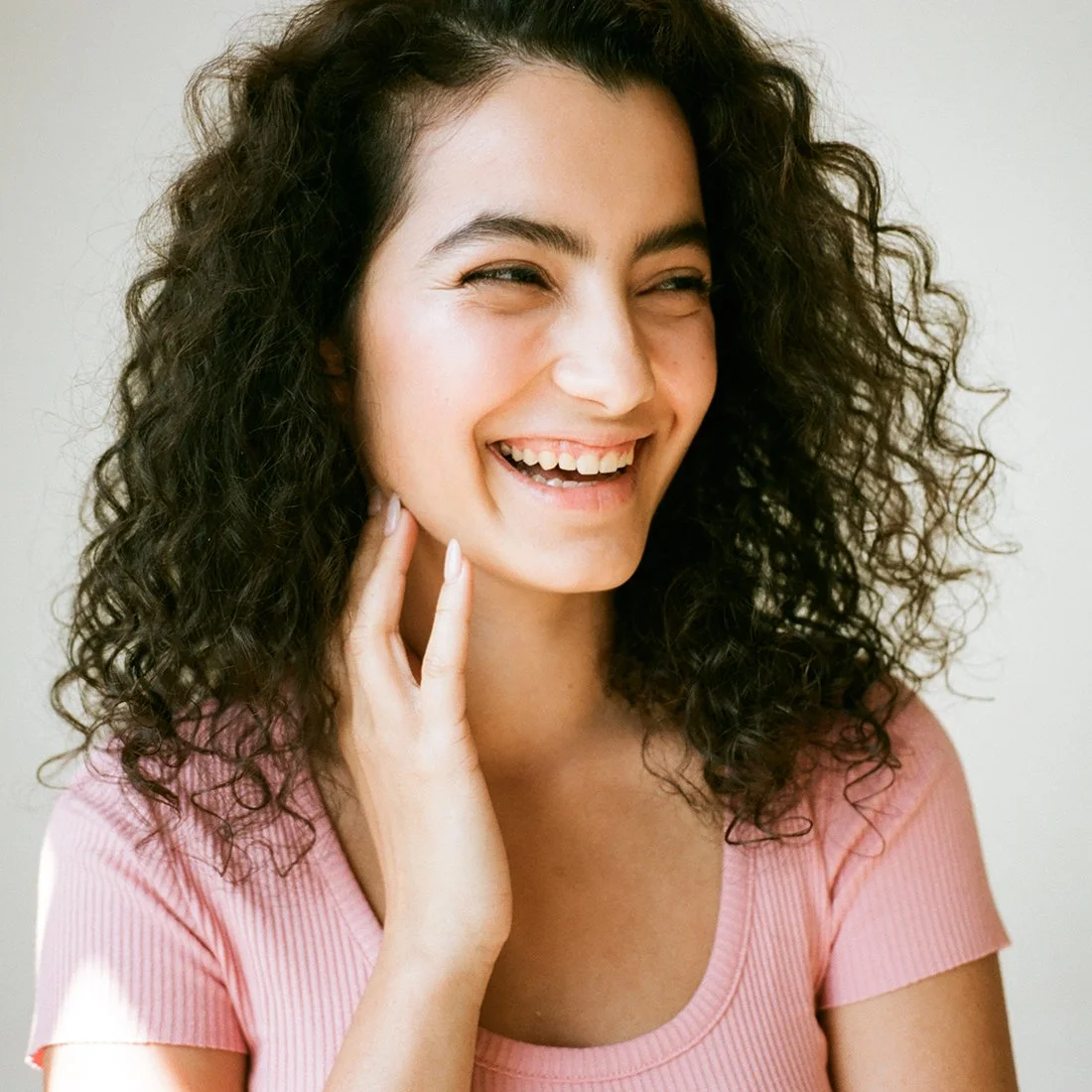
The best curly haircut is one cut for your specific curl pattern (2A through 4C), usually shaped on dry, uncut curls so the stylist can see how each curl falls and springs up. Curly hair should be cut by a curl specialist who understands shrinkage, density, and curl-by-curl behavior, not with the same wet, comb-and-blunt-cut method used on straight hair. At your first appointment, bring clean, dry, detangled “Day 1 or Day 2” curls and ask for a shape built around your curl pattern, face shape, and daily routine.
Curly hair needs a curl specialist because curls shrink, stack, and behave differently strand to strand. A straight-hair cutting method can leave curls uneven, weighed down, or triangular.
Curl type matters: looser 2A–2C waves want soft, invisible layers; 3A–3C curls thrive on shape and elevation; 4A–4C coils need cuts that account for heavy shrinkage.
Layering adds shape and removes bulk, but too many disconnected layers cause frizz and lost curl clumps. The goal is controlled, blended layers.
Curtain bangs absolutely work on curly hair when cut dry and left longer to allow for shrinkage.
Come to your first appointment with dry, detangled, product-free “Day 1 or Day 2” curls so your stylist can cut what your curls actually do.
Why Does Curly Hair Need a Curly Specialist?
Curly hair follows different rules than straight hair, and a stylist who does not cut curls regularly can misread all of them. Three things make curls behave uniquely: shrinkage (a curl can lose 30–50% of its visible length when it dries), density and stacking (curls sit on top of one another rather than falling flat), and strand-by-strand variation (you may have looser curls at your crown and tighter curls at your nape). A specialist reads those signals before making a single cut.
The most common mistake is cutting curly hair wet with a comb, the way most straight cuts are done. Wet curls stretch out long and straight, so a stylist can remove far more length than intended once shrinkage kicks in. Wet cutting also hides where curls clump and where they split, which is why generic salons so often produce the dreaded “triangle” shape, flat and tight up top, wide and bulky at the bottom.
A curly specialist cuts most curls dry, curl by curl, watching how each section springs up and sits against the sections around it. That approach lets the stylist balance shape, remove weight exactly where it causes bulk, and preserve the curl clumps that give you definition. At Live By The Sword Salon, our curly specialist haircut builds in extended consultation time, a customized treatment, detangling, and a cut refined on dry curls because the finished shape you wear home is the whole point.
What Should You Ask for at Your First Curly Haircut Appointment?
Nervous about your first curly cut? That is completely normal, and the fix is simple: come prepared and communicate clearly. Here is exactly what to do and say.
Arrive with your curls ready to be read. Come with clean, fully dry, detangled hair worn down in its natural pattern, what stylists call “Day 1 or Day 2” curls. No pins, twists, braids, buns, clips, or heavy sticky product. Your stylist needs to see your true curl shape to cut it well.
Describe your routine honestly. Tell your stylist how much time you actually spend on your hair, whether you diffuse or air-dry, and how often you wash. A cut that looks great only after a 45-minute styling session is the wrong cut if you have five minutes each morning.
Ask for shape, not just length. Instead of only saying “take two inches off,” describe the silhouette you want: more volume on top, less width at the sides, a rounder shape, or more length kept in the front. Bring two or three reference photos of curls that resemble your own curl type, not just a look you admire on a different texture.
Ask these specific questions: Will you cut my hair wet or dry, and why? How much will my hair shrink when it dries? What layers are you adding, and how will they affect my volume? What products and steps do I need to recreate this at home? A specialist will have clear answers for all of them.
Book a consultation if you are unsure. A complimentary consultation removes the pressure of deciding everything in the chair. It is also the right first step before any major change.
What Are the Best Haircuts for Each Curl Type (2A Through 4C)
Curl type is classified on a scale from 2A (loose waves) through 4C (tight coils). The right cut depends on where you fall. Use the table below as a quick guide, then read the detail underneath.
2A–2C (waves). Wavy hair is prone to going flat on top and puffy underneath. The best cuts use long or soft internal layers that add movement without removing the weight the wave needs to stay defined. “Invisible” layering, layers blended so you cannot see hard lines, keeps waves looking effortless.
3A–3C (curls). This is the sweet spot for shape-driven cutting. A curly shag, rounded layered cut, or gentle face-framing gives 3-type curls elevation at the crown and controlled width at the sides. The tighter your curl (toward 3C), the more a stylist will focus on building height and preventing the bottom-heavy triangle.
4A–4C (coils). Coily textures shrink the most, so length planning is everything. Great cuts for 4-type hair are sculpted and rounded, think tapers, shaped afros, and silhouettes cut on stretched or dry hair so the stylist controls the true finished shape. Over-thinning is the enemy here; it kills the density that makes coils look full and healthy.
Layering for Curly Hair: What Works and What to Avoid
Layers are how a stylist builds shape into curls and removes the bulk that causes the triangle silhouette. Done well, layering gives curls lift, movement, and a rounded shape. Done poorly, it creates frizz, disconnected pieces, and lost definition.
What works: blended, connected layers cut to your curl pattern. The stylist removes weight from the interior and lower sections where curls pile up, while keeping enough length and density for curls to clump and spring. Longer, softer layers suit waves and looser curls; more defined, elevated layers suit tighter curls and coils.
What to avoid: aggressive, choppy, or heavily thinned layers, especially cut with thinning shears on dry curls. Over-layering separates curl clumps, and separated curls frizz. Razor cutting can also split curl ends and increase frizz on many textures. If a stylist reaches for thinning shears without explaining why, ask questions first.
The tell of good curly layering is that your hair looks shaped and full, never stringy, never triangular, and each curl still has neighbors to clump with.
Can You Pull Off Curtain Bangs with Curly Hair?
Yes, curtain bangs look beautiful on curly hair, and they are one of the most flattering ways to frame the face on waves and curls. The trick is cutting for shrinkage. Because curls spring up when they dry, curly curtain bangs must be cut longer than you think and shaped dry, so the finished bang lands where you want it instead of shrinking up too short.
Curtain bangs part in the middle and sweep softly to each side, which works with a curl’s natural fall rather than fighting it. They suit most curl types from 2A through 3C especially well, and they grow out gracefully, as they lengthen, they simply blend into your face-framing layers. If you have tighter 4-type coils, a specialist can adapt the concept into shaped, rounded face-framing that gives the same softening effect.
Ask your stylist to cut curtain bangs on dry curls, section by section, and to leave a little extra length the first time. You can always take more off; you cannot put curl length back.
How Do You Keep a Curly Cut Looking Good at Home?
A great cut is only half the result, styling and hydration carry the rest. Curly and textured hair tends to run dry because natural oils travel down a curl less easily than a straight strand. Keep curls defined by using hydrating, curl-friendly products, drying with a diffuser or by air-drying without disturbing the clumps, and refreshing curls between washes rather than restyling from scratch. At Live By The Sword Salon we use and carry R+Co products across our curly services, and our specialists send you home knowing exactly which products and steps recreate your look. For extra hydration and frizz control, ask about our hair treatments, including deep conditioning and smoothing options.
Frequently Asked Questions
-
Most curly hair is best cut dry, curl by curl, so the stylist can see how each curl falls and account for shrinkage. Some stylists use a hybrid approach, but a dry cut gives the most control over your finished shape.
-
Every 8 to 12 weeks is typical for maintaining shape, though it varies by curl type and how much length you want to keep. Tighter coils can often go longer between cuts than looser waves.
-
The triangle shape usually means the cut left too much weight and width at the bottom with not enough shape or layering through the interior. A curl specialist corrects this by building a rounded shape and removing bulk where curls stack.
-
A curly hair specialist is a stylist with dedicated training in cutting and styling textured hair, who understands shrinkage, curl patterns, and dry-cutting techniques rather than applying straight-hair methods to curls.
-
Yes. Curtain bangs work on most curl types when cut dry and left longer to allow for shrinkage, so they spring up to the right length once dry.
-
Arrive with clean, dry, detangled curls worn down in their natural pattern, no pins, braids, clips, or heavy product, so your stylist can read and cut your true curl shape.
Ready for a cut that actually works with your curls? Book a Curly Specialist Haircut or a complimentary consultation at Live By The Sword Salon in Williamsburg, Brooklyn, two blocks from the Bedford Ave L train.